Efficient Siding Installation to Boost Property Value
Siding installation plays a crucial role in enhancing the durability, energy efficiency, and aesthetic appeal of residential and commercial properties. Properly installed siding can significantly improve a building's resistance to weather elements, reducing maintenance costs over time. According to industry data, homes with quality siding experience up to a 20% increase in energy efficiency. The process involves selecting the appropriate siding material, preparing the surface, and ensuring precise installation to maximize performance. Skilled siding installation can also increase property value and curb appeal. With a variety of siding options available, choosing the right type and professional installation ensures long-lasting results and optimal protection for the building.
Siding installation provides a protective barrier against wind, rain, and temperature fluctuations, helping to preserve the structure.
Choosing the right siding material and color can dramatically improve the appearance of a property, increasing curb appeal.
Proper siding installation can improve insulation, leading to lower heating and cooling costs throughout the year.
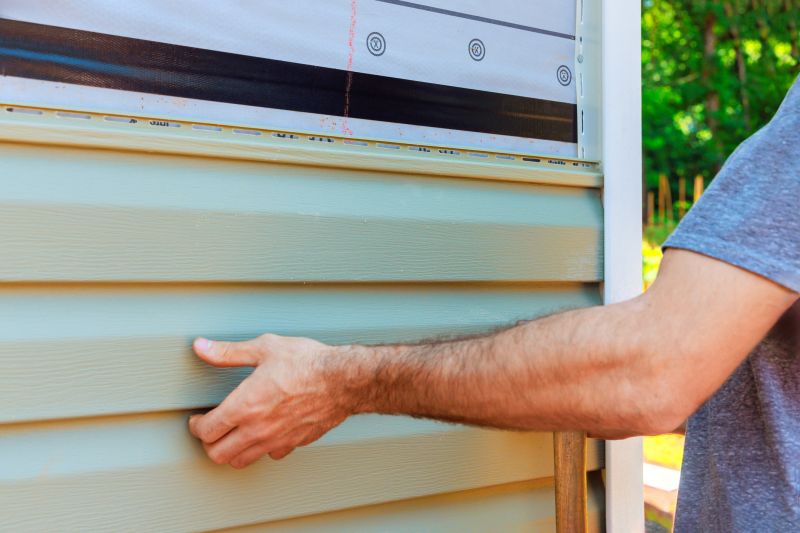
Vinyl siding is a popular choice for its affordability and low maintenance requirements.
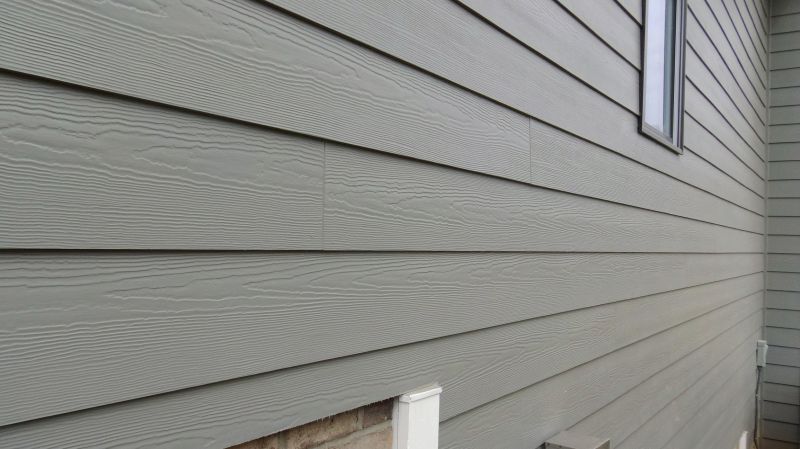
Fiber cement offers durability and resistance to pests and weather, making it suitable for various climates.
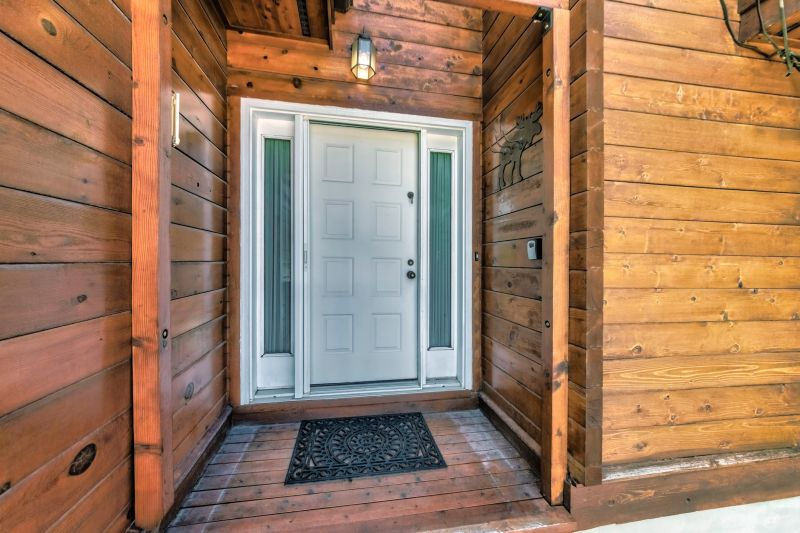
Wood siding provides a natural look and can be customized with different stains and finishes.
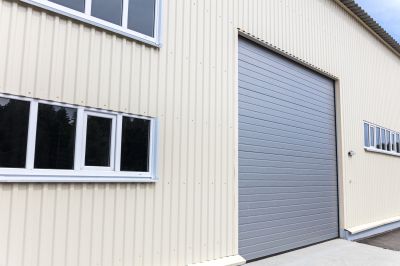
Metal siding is known for its longevity and modern appearance, ideal for commercial and industrial buildings.
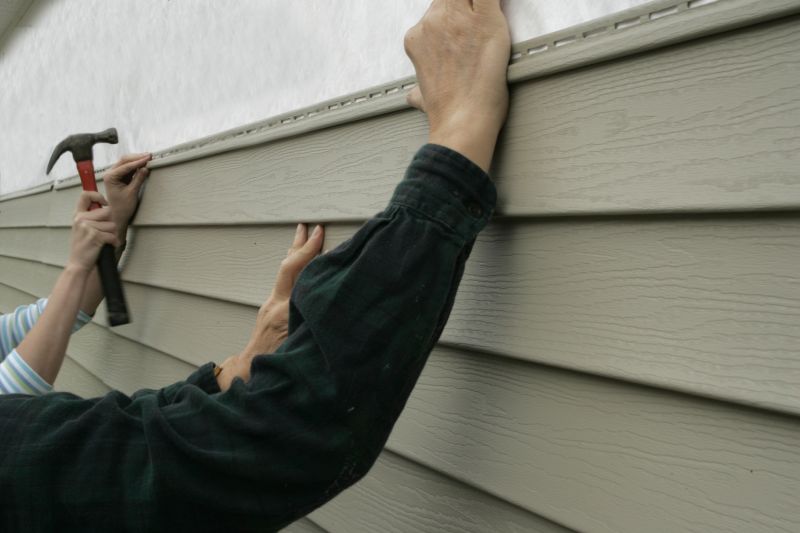
Insulated siding enhances energy efficiency by adding an extra layer of thermal protection.
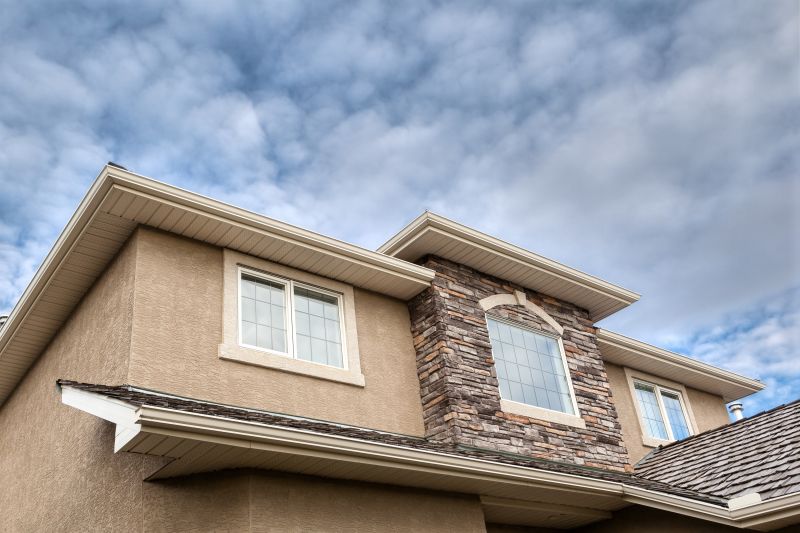
Stucco offers a textured finish with excellent weather resistance and a unique aesthetic.
| Siding Type | Description |
|---|---|
| Vinyl Siding | Affordable, versatile, and easy to maintain, vinyl siding is a common choice for residential properties. |
| Fiber Cement Siding | Known for its durability and resistance to pests and fire, fiber cement is suitable for various climates. |
| Wood Siding | Provides a natural, traditional appearance and can be stained or painted for customization. |
| Metal Siding | Offers longevity and a sleek, modern look, often used in commercial applications. |
| Insulated Siding | Includes foam insulation for improved energy efficiency and thermal protection. |
| Stucco | A textured finish that is weather-resistant and adds a distinctive aesthetic to buildings. |
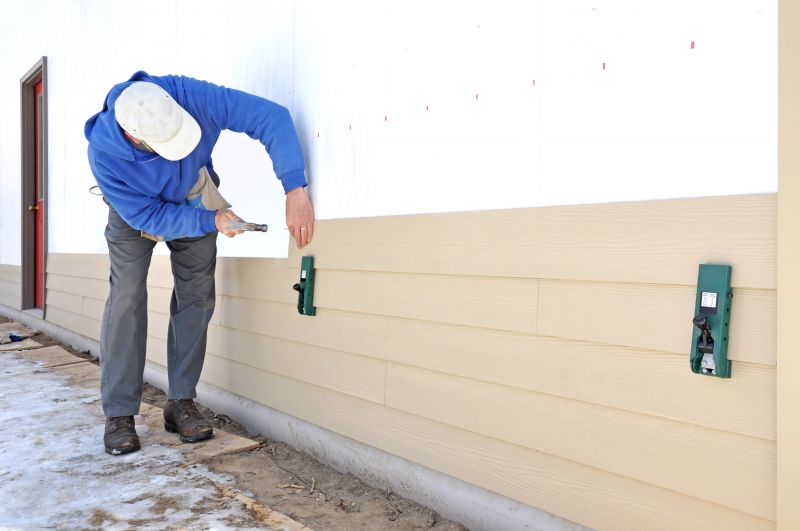
Experienced installers ensure precise application, proper sealing, and long-lasting results.
A thorough assessment of the existing surface ensures compatibility and optimal adhesion.
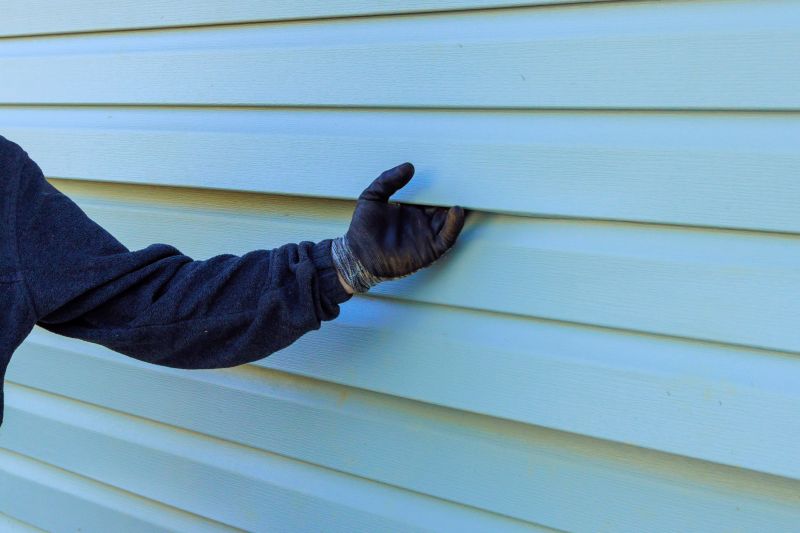
Assistance in choosing the right siding type based on durability, style, and budget.
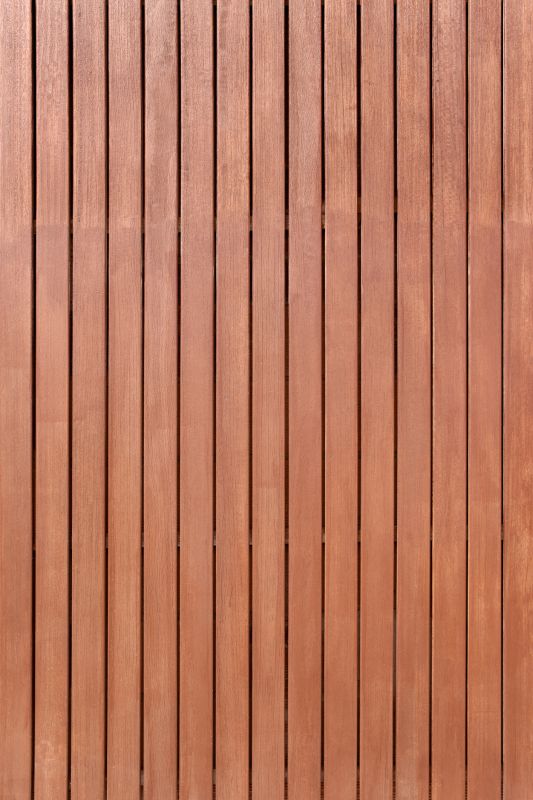
Ensuring each panel is fitted correctly for a seamless appearance and weather resistance.
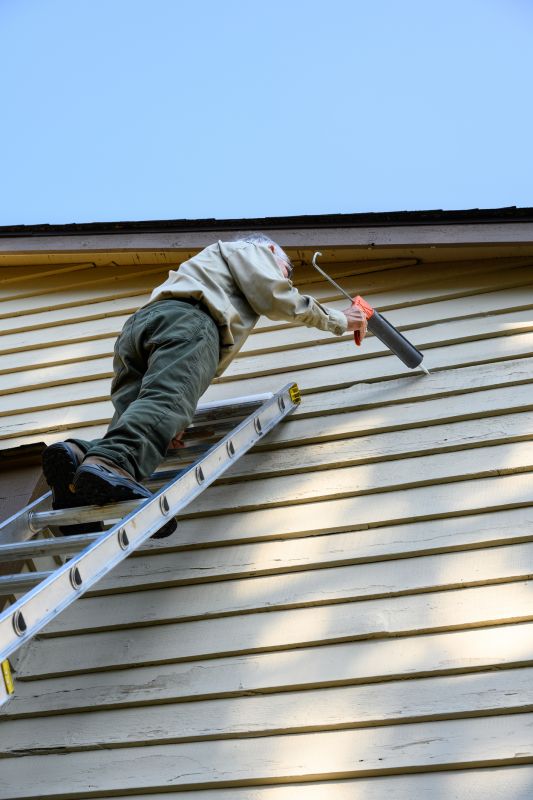
Proper sealing techniques prevent water infiltration and improve longevity.
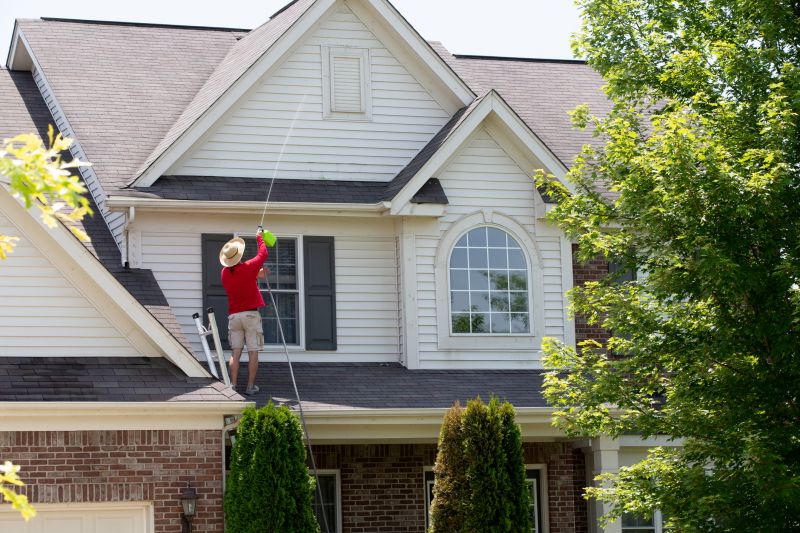
Post-installation cleaning and thorough inspection guarantee quality and satisfaction.
A siding installer plays a vital role in ensuring that the chosen material is installed correctly and efficiently. They possess specialized knowledge of different siding types, proper installation techniques, and building codes. Their expertise helps prevent issues such as water intrusion, warping, or warping, which can compromise the integrity of the building. Skilled installers also work to minimize waste and ensure that each panel fits perfectly, resulting in a polished appearance. Their experience contributes to the durability and performance of the siding, ultimately safeguarding the structure for years to come.
Interested in upgrading the exterior of a property with new siding? Contact today to receive a detailed quote for siding installation services and explore the options available for your property.